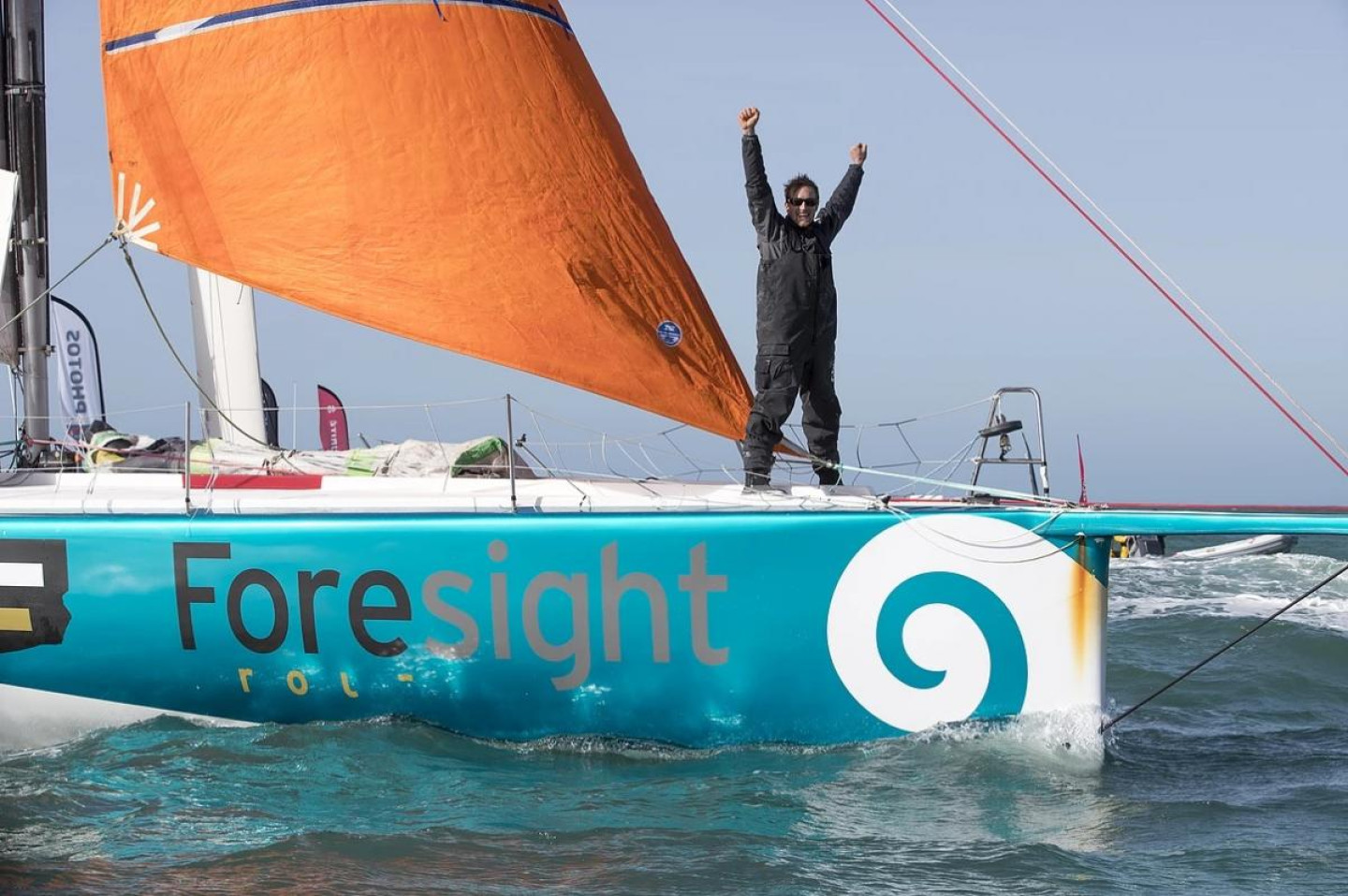
Sarau

The oldest competitor in this year's solo trans-Tasman yacht race is also one of the favourites to take the title

NEW PODCAST: The Detail – RNZ

Today’s episode of The Detail shines a spotlight on the 2026 Solo Trans-Tasman Yacht Challenge — and it’s a great listen for anyone following the race.

Hear from legendary solo sailor Malcolm Dickson as he prepares for his fourth crossing of the Tasman, sharing insights from a lifetime at sea and what keeps drawing him back to this iconic challenge.

You’ll also hear from Race Director Julie Kidman, talking about why Opua is such a special place to start this journey — and the robust safety systems supporting skippers as they take on one of the world’s toughest solo ocean races.

From preparation and experience to safety and community, this episode captures what makes the race so unique.

If you’re following the race, this is a must-listen — and a great one to share with friends and supporters!

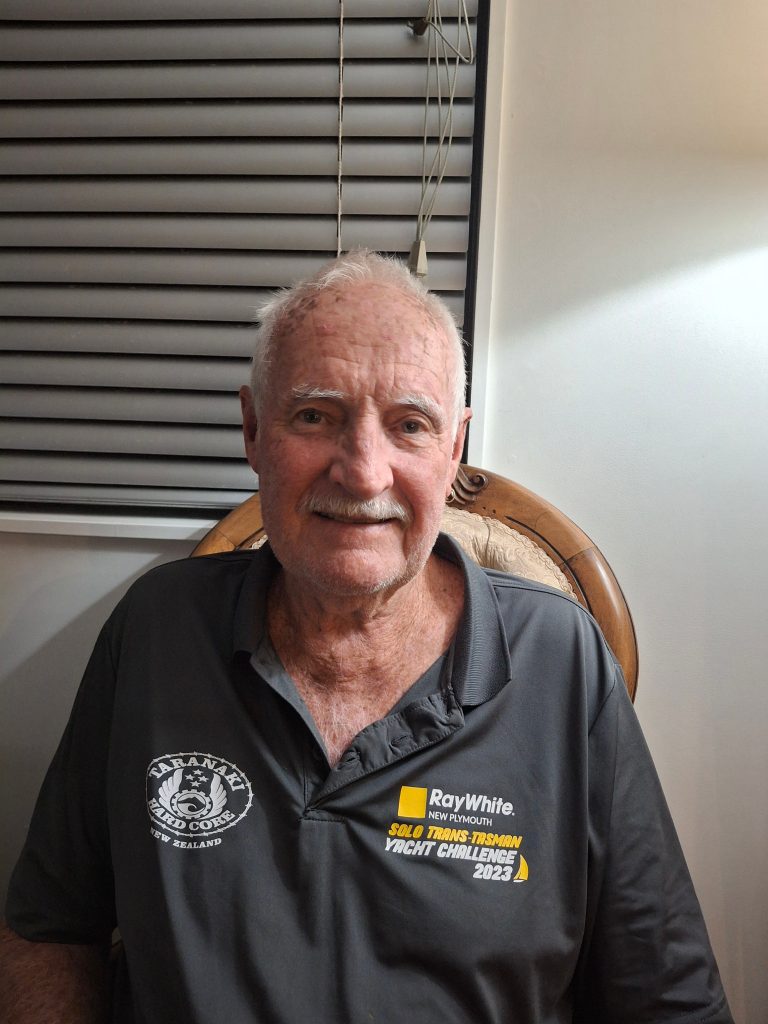
Malcolm Dickson Image by RNZ

Catnip

Meet the Fleet: 2026 Solo Trans-Tasman Yacht Challenge

Entries are now officially closed for the 2026 Solo Trans-Tasman Yacht Challenge, and the fleet is set. Eighteen sailors will depart the Opua Cruising Club at midday on 30 May, bound for the Southport Yacht Club on Australia’s Gold Coast, each taking on one of the world’s great solo offshore challenges.

This year’s lineup is as diverse as it is impressive. From seasoned campaigners and past champions to first-time solo racers, the fleet spans a wide range of experience, boats, and motivations. Some of the fastest entries could complete the crossing in as little as four to five days, while others are expected to take ten to twelve, every finisher will be a winner. 

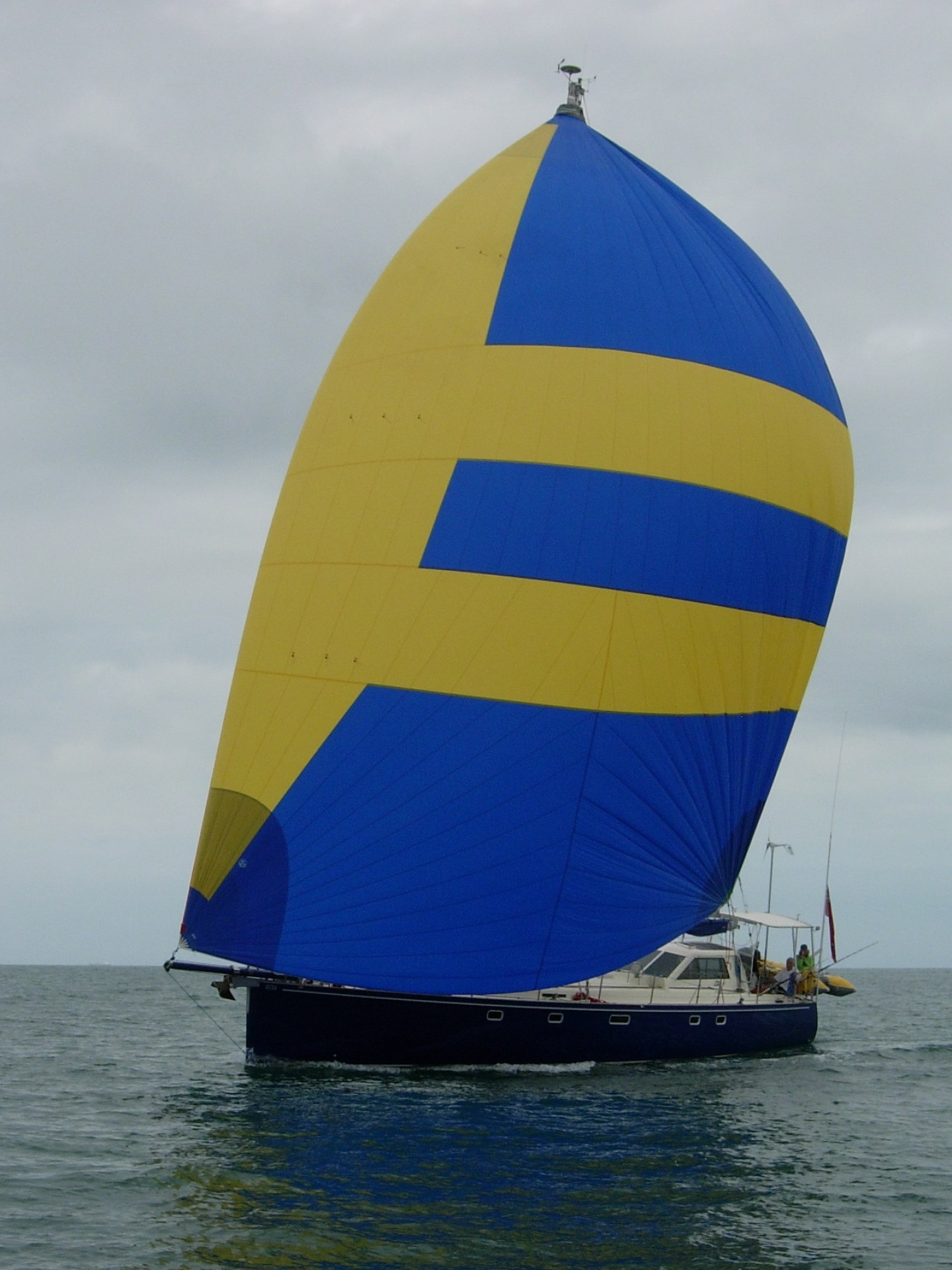
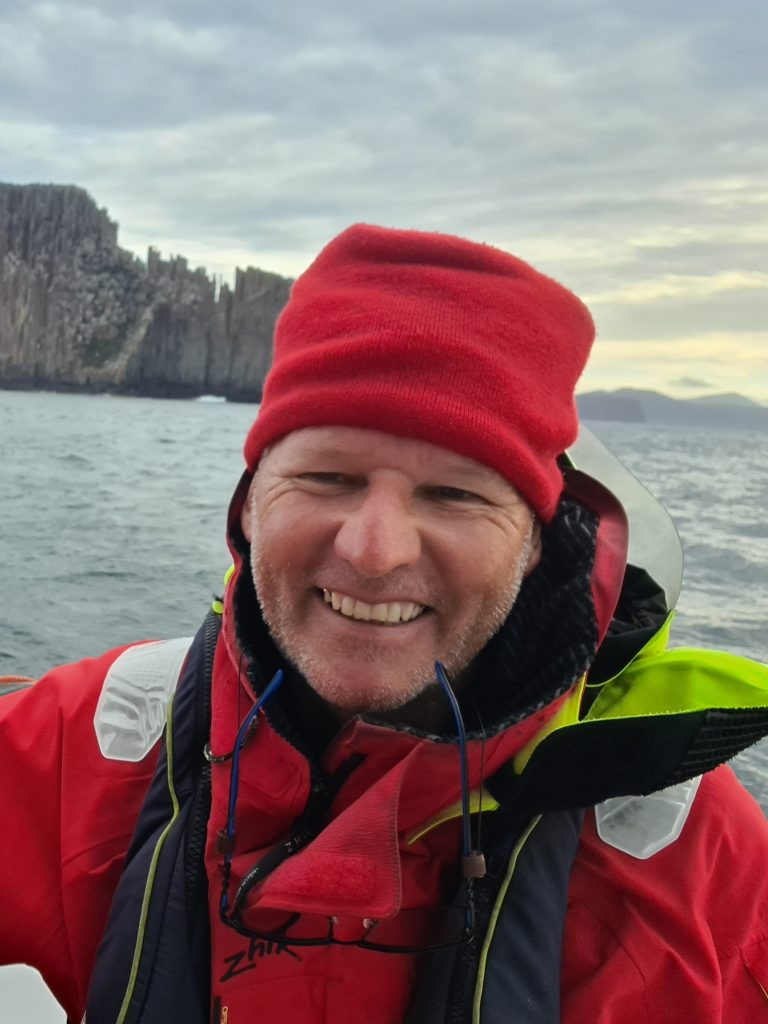
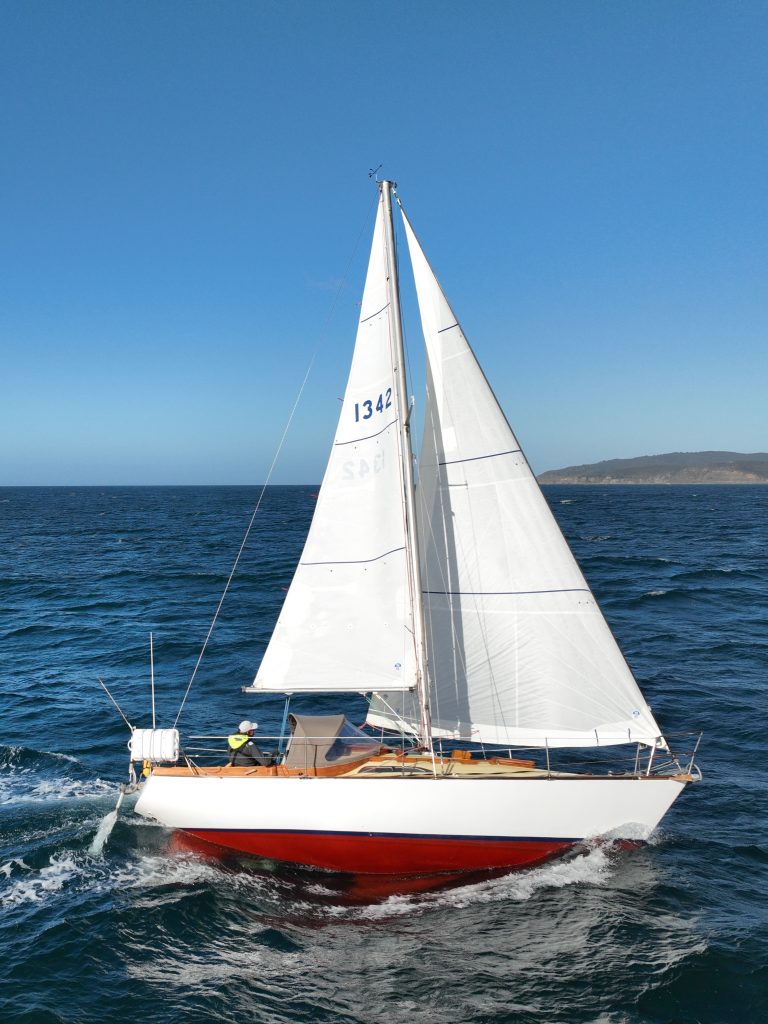
Among the standout entries is defending champion Malcolm Dickson (Sarau), returning for his fourth Solo Trans-Tasman campaign. At 79, he brings unmatched experience—including a win in the last edition—and remains a serious contender.

Malcolm Dickson

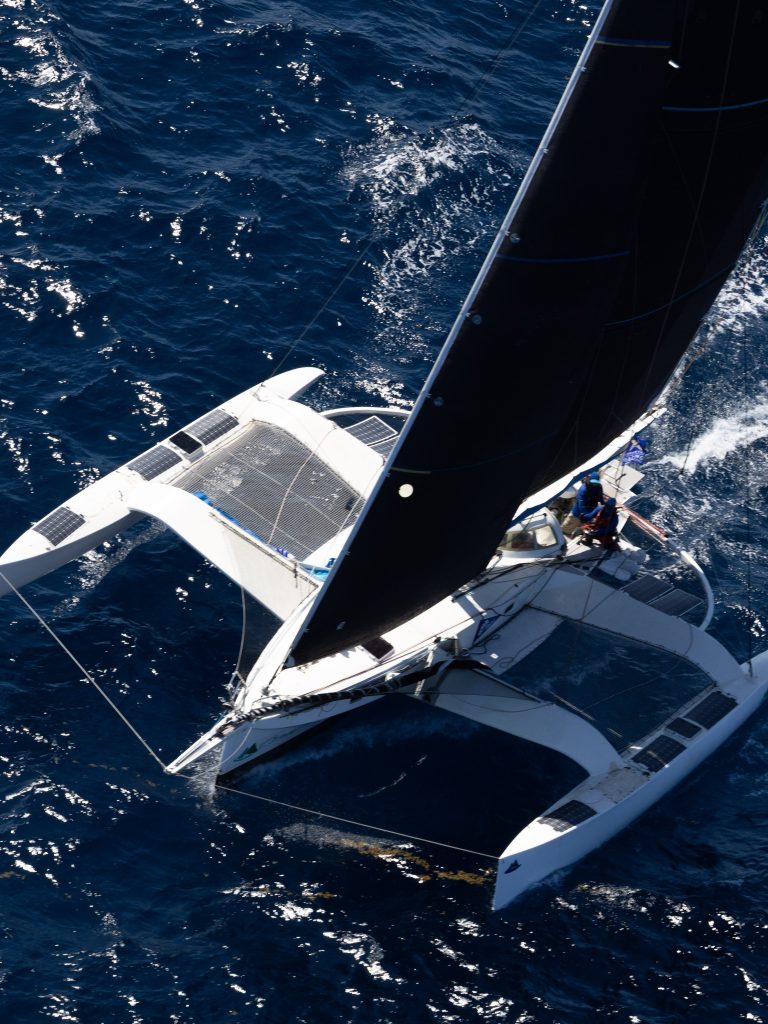
Bringing multihull speed to the fleet, Guy Chester’s Crowther trimaran (Oceans Tribute) will be one of the most exciting boats to watch with line honours and the race record clearly in site. 

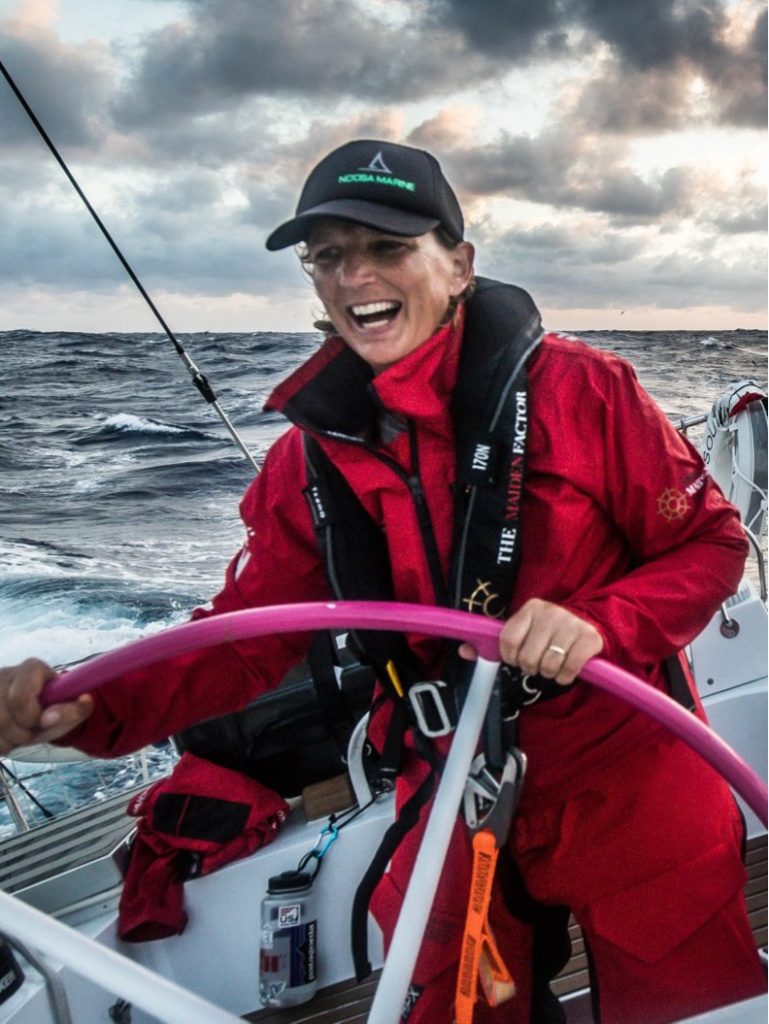
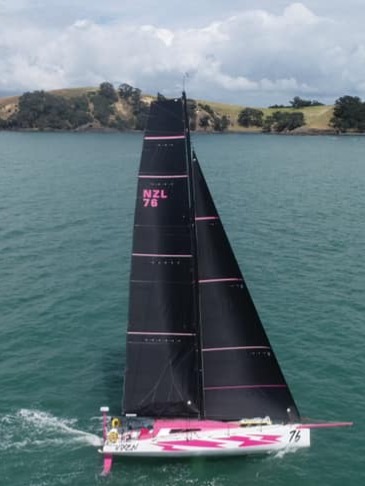
The fleet also features world-class talent such as Sharon Ferris-Choat (Vixen Racing), a two-time Olympian and Volvo Ocean Race veteran, alongside highly experienced offshore sailors like Kevin Le Poidevin (Roaring Forty), whose résumé includes global solo campaigns and more than 13,000 nautical miles non-stop.

There’s no single path to the start line, just a desire (and perhaps a bit of a mad streak) to take on the Tasman alone.

From classic monohulls to high-performance multihulls, the 2026 fleet showcases an incredible range of designs.

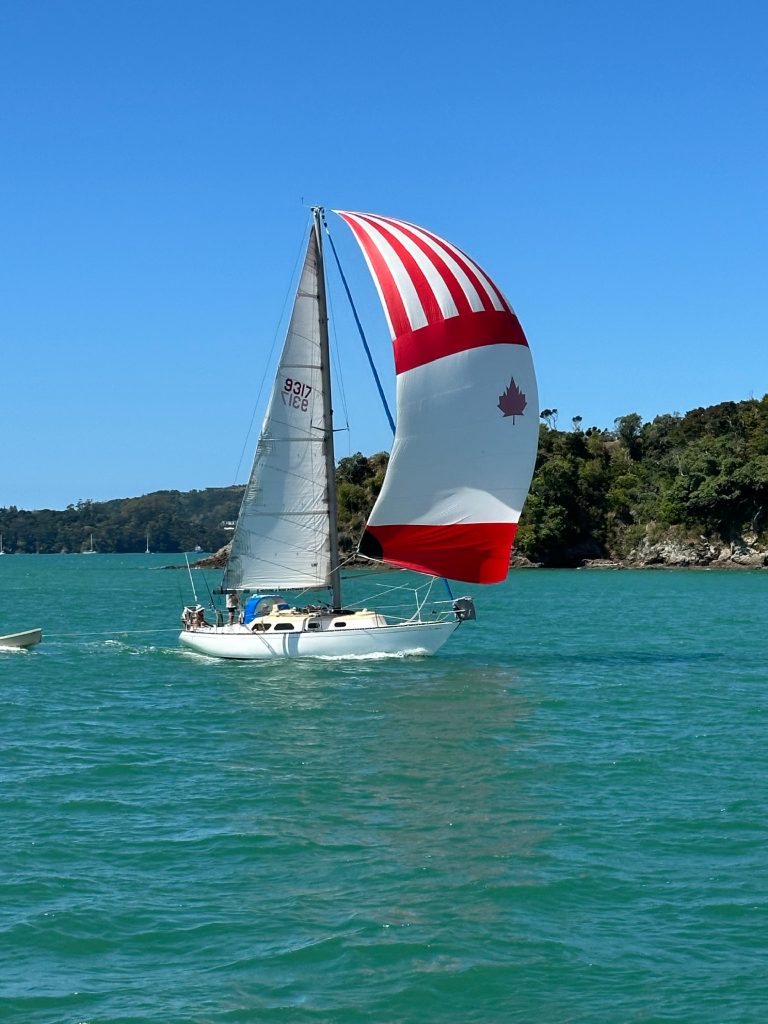
  • Proven offshore classics like the S&S 34 (sailed by both Samantha McGrath – Star Path and Terry Dunn – Marara) sit alongside modern performance yachts like the Class 40 Vixen Racing.
  • Compact challengers like Peter Bourke’s Diablo (8.7m) will go head-to-head with larger, more powerful yachts such as the Dickson 55 Sarau.
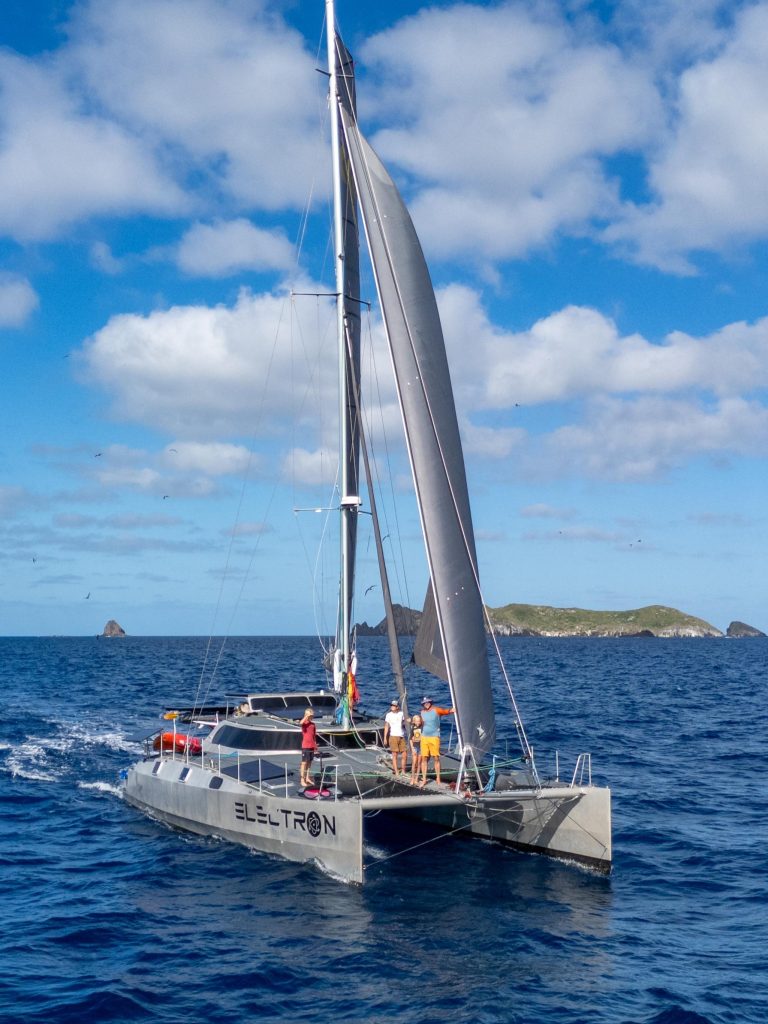
  • Multihulls add another dimension, with Guy Chester’s Crowther trimaran Oceans Tribute and James Foster’s Mumby 48 catamaran Electron bringing speed—and complexity—to the race.

Each boat reflects the personality and philosophy of its skipper: some built for outright pace, others for reliability and endurance.  There will be both line honours and handicap prizes. 

What truly defines this race are the stories behind each competitor.

  • Samantha McGrath (Star Path) follows a deep personal calling to the sea, with over 15,000 offshore miles and a passion for solo sailing.
  • Glen Jeffery (Wave) returns with multiple Tasman crossings and a lifetime of offshore racing experience.
  • Peter Nobbs (Smoko) brings a remarkable solo sailing résumé, including circumnavigations of New Zealand and beyond.
  • Guy Chester (Oceans Tribute) has logged over 120,000 nautical miles, including solo circumnavigations—bringing both speed and philosophy to the race.
  • Ben Ball (Camellia) marks a personal milestone, celebrating both his and his boat’s 50th year with this long-held ambition.
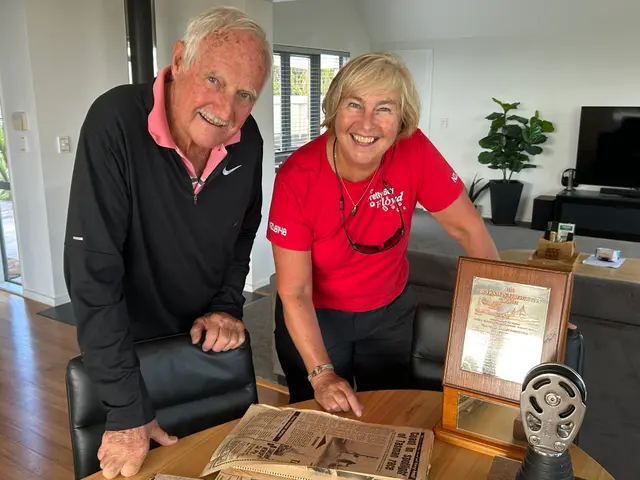
  • Bill Kidman (Pretty Boy Floyd) is set to achieve a lifelong ambition andbrings a a  competitive streak honed in a wide range of sailing events. 
  • Peter Elkington (Pacman) Sailing the proven Young 11 with multiple Sydney to Hobart races completed. 
  • Richard Grant (Magellan) looking for a new challenge after a successful  double-handed Melbourne to Osaka Yacht Race with is daughter. 

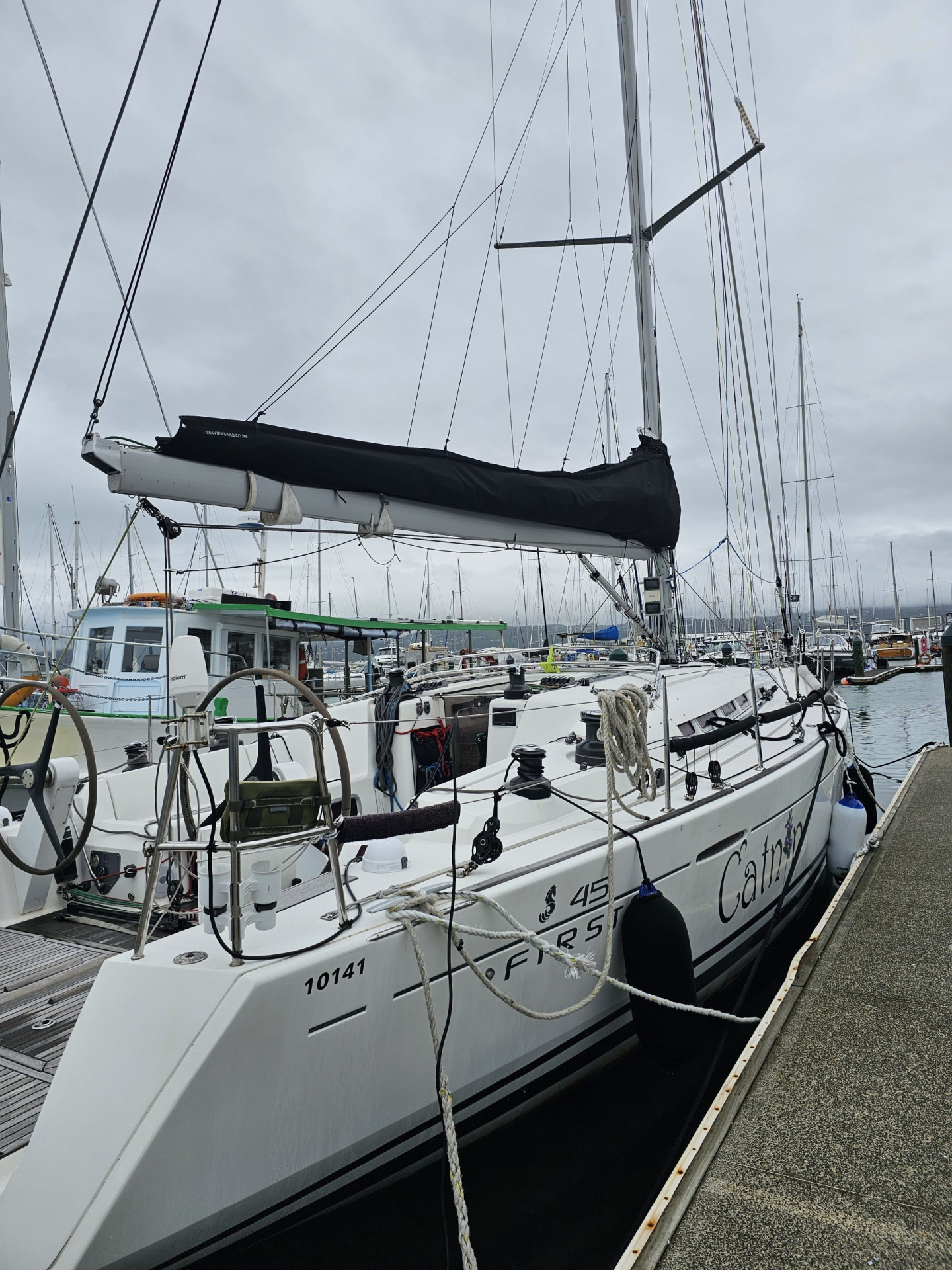
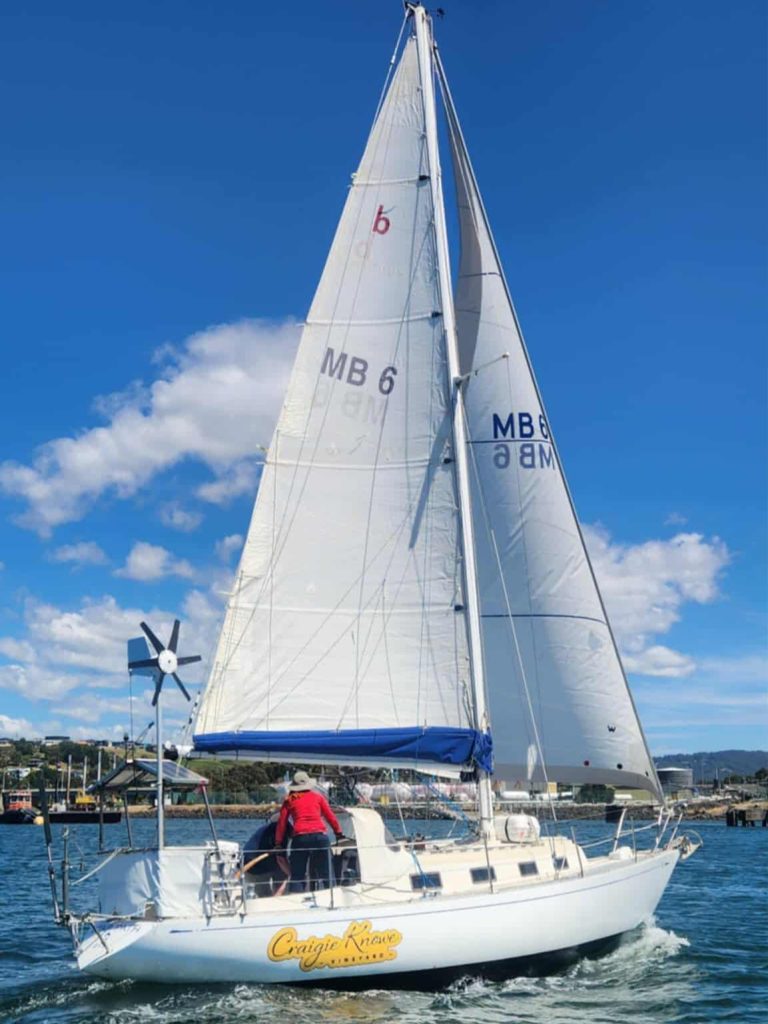
Others, like Geoff Thorn (Catnip), Richard Raea (Baker Street) and Graeme Francis (Robbery), return to the race with unfinished business—drawn back by the unique pull of the Solo Trans-Tasman Yacht Challenge.

For detailed competitor profiles check out our website – https://www.solo-tasman.co.nz/2026-entrants/

For many, the Solo Trans-Tasman is not just about results—it’s about the journey.

As one skipper put it, “If you have to ask why, you wouldn’t understand the answer.”

It’s a test of preparation, resilience, and mental strength. A chance to disconnect from the noise of everyday life and reconnect with the fundamentals of seamanship. And for all eighteen sailors, it’s an opportunity to write their own chapter in the race’s rich history.

All boats and skippers will be based in Opua for the two weeks leading up to the start, creating a unique opportunity for supporters and the public to get involved.

There will be a range of social events hosted at the Opua Cruising Club, offering a chance to meet the sailors, hear their stories, and be part of the build-up.

An Open Day at Opua Wharf will be held on Sunday 24 May, where visitors can get up close to the boats, meet the skippers, and experience the atmosphere ahead of departure.

From the moment the fleet leaves Opua, the focus shifts to the Tasman Sea—unpredictable, demanding, and unforgettable.

Whether it’s a four-day sprint or a twelve-day endurance test, every skipper will face their own race.

Follow their journeys as they prepare, depart, and take on the challenge of sailing solo across one of the world’s great oceans. 

There will be a race tracker page on the website. 

Race news and updates on our Facebook Page - https://www.facebook.com/SoloTransTasmanYachtChallenge

ConradColmanFinish

Conrad Colman Supporting Solo Trans-Tasman Competitors

The Solo Trans-Tasman Challenge continues to attract the support of some of offshore sailing’s most respected figures, with Conrad Colman joining this year’s event in a coach and mentor capacity for competitors.

Best known for completing not one, but two solo circumnavigations of the globe, Conrad has built a reputation as one of New Zealand’s most accomplished offshore sailors. His experience at the highest level of solo racing brings a valuable perspective to an event that demands resilience, preparation, and sound decision-making in equal measure.

As part of his support for the 2026 Challenge, Conrad will connect with competitors in a dedicated pre-race briefing session, sharing insights drawn from his own offshore campaigns. The session will focus on practical aspects of solo sailing—ranging from preparation and risk management through to maintaining performance and wellbeing during extended periods alone at sea.

While the Solo Trans-Tasman Challenge is, at its heart, a test of individual skill and endurance, opportunities to learn from those who have faced similar challenges on a global stage are invaluable. Conrad’s willingness to share his experience reflects the strong culture of knowledge-sharing that underpins shorthanded sailing in New Zealand.

Reflecting on his connection to the event and the wider sailing community, Conrad noted, “my heart is clearly in New Zealand shorthanded sailing.”

Race organisers see this contribution as an important part of supporting competitors to arrive on the start line better prepared—not just technically, but mentally. Offshore solo racing presents a unique set of challenges, and learning from those who have successfully navigated them can make a meaningful difference.

Conrad’s involvement also highlights the growing strength and profile of short-handed offshore sailing in the Southern Hemisphere. As the Solo Trans-Tasman Challenge continues to build momentum, connections like these help bridge local ambition with international experience.

Competitors will take to the Tasman with their own plans, strategies, and goals—but with the added benefit of insights from one of the sport’s most experienced solo sailors.


Find out more about Conrad’s Sailing on his website - https://conradcolman.com/en

Behind the Scenes: Solo Trans-Tasman Race Management Visits New Zealand’s Maritime Safety Centres

Preparing sailors to cross the Tasman Sea solo is about far more than boats, sails, and weather routing. Behind every offshore race is a network of professionals dedicated to safety and communication. Recently, the Solo Trans-Tasman Race Management team had the opportunity to visit two of New Zealand’s most important maritime safety operations: the Maritime Operations Centre (MOC) and the Rescue Coordination Centre New Zealand (RCCNZ).

The visit provided valuable insight into the systems and people who stand ready to support competitors during the race — quietly working in the background to ensure that solo sailors crossing one of the world’s most demanding stretches of ocean have the best possible safety infrastructure behind them.

The Role of the Maritime Operations Centre

For the duration of the race, the Maritime Operations Centre will play a key role in daily race communications. The MOC team will manage the official race skeds — the scheduled check-ins where each competitor reports their position, weather conditions, and status.

These skeds are a vital part of offshore racing, particularly for solo sailors. They provide reassurance to race organisers and fellow competitors that everyone is safe and progressing across the Tasman.

During our visit, Tony Graham from the MOC walked the Race Management team through the centre’s communication systems and monitoring technology. From a room filled with sophisticated screens and communication tools, the MOC team tracks vessels across vast ocean areas, maintaining constant awareness of maritime activity around New Zealand.

For Solo Trans-Tasman competitors, it means that experienced professionals will be listening carefully or reading and recording every scheduled sked, ensuring communications are received and logged while providing another layer of oversight during the race.

When the Rescue Coordination Centre Steps In

While the MOC will handle routine race communications, the Rescue Coordination Centre New Zealand (RCCNZ) serves a different — but equally critical — role.

RCCNZ coordinates all major maritime, land and aviation search and rescue operations within New Zealand’s search and rescue region, one of the largest in the world.

Importantly, RCCNZ will not be involved in routine race operations. Their role only comes into play if a competitor activates emergency procedures — such as making a Mayday call or triggering an EPIRB distress beacon.

During the visit, Sam Blackmore and Patrick William from RCCNZ generously explained how distress alerts are detected, verified, and escalated. EBIPB distress beacons are a critical element in accurately understanding location and vessel involved. 

The team also demonstrated how rescue coordinators integrate multiple sources of information — satellite data, vessel tracking systems, weather information, and communication logs — to rapidly assess a situation and deploy the appropriate response.

Technology Supporting Solo Sailors

For the Solo Trans-Tasman Challenge, competitors will be carrying a range of modern safety equipment and trackers that provide additional reassurance for both race management and emergency responders.

Tracking systems allow Race Management to monitor each yacht’s progress across the Tasman in real time, while also providing a public view for supporters following the race online.

Should an emergency arise, this data becomes extremely valuable for search and rescue coordination.

Gratitude for the People Behind the Systems

One of the key takeaways from the visit was the professionalism and dedication of the teams working behind the scenes to keep mariners safe.

Race Management would like to extend sincere thanks to Tony Graham at the Maritime Operations Centre, and Sam Blackmore and Patrick William from RCCNZ, for taking the time to share their knowledge and walk us through the systems and processes that underpin New Zealand’s maritime safety framework.

Their willingness to engage with the race organisers ensures that everyone involved in the Solo Trans-Tasman Challenge has a clear understanding of how communications and emergency support will function during the event.

Confidence for the Crossing

For competitors preparing to take on the Tasman Sea alone, knowing that these organisations stand ready to assist provides an important layer of reassurance.

Race Notice Board

Government Events Boost Fund Support for 2026 Solo Trans-Tasman Challenge

We’re thrilled to share some exciting news for the 2026 Solo Trans-Tasman Challenge.

The event has secured funding through the Government’s Events Boost Fund, administered by the Ministry of Business, Innovation and Employment (MBIE). This support is a significant vote of confidence in both the race and the wider impact it brings to our region.

The 2026 race will start from Opua in the Bay of Islands on Saturday, 30 May 2026, and will feature the largest fleet in the event’s history. A major milestone for one of the Southern Hemisphere’s most respected solo offshore challenges.

Tourism and Hospitality Minister Louise Upston highlighted the importance of events like ours in strengthening regional economies:

“This is one of many exciting events the Government is supporting in 2026. From world-class international and homegrown musical acts to sports fixtures and arts and cultural celebrations, these events will bring fans, visitors and a big boost to New Zealand’s economy.”

With sailors, support crews, families and followers travelling from around New Zealand and overseas, we expect the event to deliver a strong visitor boost to Northland and the Bay of Islands during the late autumn season.

A Proud Moment for Opua Cruising Club

As Organising Authority, the Opua Cruising Club (OCC) is immensely proud to be hosting the race.

OCC Commodore Terry Dunn says:

“We are incredibly proud that Opua Cruising Club has been honoured with hosting this remarkable event. The Solo Trans-Tasman Challenge is part of New Zealand’s offshore sailing heritage, and to see it return with the biggest fleet ever is hugely exciting. The Government’s support through the Events Boost Fund gives us confidence to deliver an event that not only challenges sailors but also showcases our region to the world.”

The Solo Trans-Tasman Challenge is woven into New Zealand’s offshore sailing story, a race that represents courage, preparation and a deep respect for the Tasman Sea.

A Race of Grit, Skill and Preparation

A single-handed crossing of the Tasman Sea is one of the ultimate tests of seamanship. It demands resilience, meticulous planning and mental toughness.

Race Director Julie Kidman says preparations are already well advanced:

“With the largest fleet in the race’s history, there’s a significant amount of preparation happening right now; from liaison with Maritime New Zealand, Yachting New Zealand and our destination club in Australia, Southport Yacht Club, through to logistics, communications and community engagement. We’re thrilled with the calibre and commitment of the skippers entered. The support from MBIE via the Government’s Events Boost Fund is not just financial backing, it’s recognition of the importance of offshore sailing to New Zealand’s maritime identity.”

She adds:

“We invite anyone with a love of sailing, adventure and big ocean stories to join us in Opua for the pre-race festivities. Come and meet the skippers and past skippers. Thanks to the support of Bay of Islands Marina, spectators will be able to see the boats up close and be part of the build-up to the start. There’s nothing quite like the energy in the days before a Tasman crossing.”

Join Us for the Build-Up in Opua

The pre-race period will include skipper presentations, safety briefings and community events, giving supporters and the local community the chance to connect with competitors before they head offshore.

With only 14 weeks to go until the start gun fires on Saturday, 30 May 2026, momentum is building for what promises to be a landmark edition of the race.

A record fleet. Government backing. Strong regional support.

The 2026 Solo Trans-Tasman Challenge is shaping up to be a standout moment on New Zealand’s offshore calendar, and we’d love you to be part of it.

Boating New Zealand Article

Written by Kirsten Thomas

Twenty-one sailors will take on the Tasman in May 2026, led by a 79-year-old designer-builder whose lifetime at sea anchors the most experienced fleet this race has ever seen.

On the last Saturday in May next year, twenty-one sailors and their boats will depart Opua and sail to Southport, Australia, in the 2026 Solo Trans-Tasman Yacht Challenge. This will not be an easy journey. On paper it looks straightforward, but they will be sailing about 1,300 nautical miles across a stretch of ocean that compresses more weather into that distance than many seas several times its size. The fleet will likely face steep sea states east of Northland, fast-moving lows rolling off the Southern Ocean, and the final push through the East Australian Current.

2026 Race Entrant Profiles now Online

The wait is over — the official competitor profiles for the Solo Trans-Tasman Challenge 2026 are now live

As the countdown to 30 May 2026 intensifies, skippers are deep in preparation mode — checking gear, refining strategies, and mentally gearing up for what lies ahead. Ahead of them is the vast Tasman Sea: unpredictable, unforgiving, and utterly exhilarating. For these sailors, it’s not just a race… it’s a journey into the unknown.

Every entrant will soon stand alone on the start line at 12:00pm, facing whatever the Tasman chooses to throw at them — towering swells, shifting winds, moments of isolation, and the pure thrill of pushing themselves beyond the limits.

You can now explore their stories, their boats, their motivations, and their mission.

Click the button below to view individual profiles — simply tap on a competitor’s photo to dive into their personal journey.
Or scroll to the bottom of the 2026 Entrants page and tap the button View Full List of Competitors to open all profiles at once for the full fleet experience.

Meet the sailors. Feel the anticipation. And join us as we head toward the greatest challenge the Tasman can offer.

Boating New Zealand Article

Written by Kirsten Thomas

In quite a different cross-Tasman yacht race than the Sydney to Auckland Ocean Yacht race which saw Lucky, the 29-metre KJ owned by Bryon Ehrhart smash existing records, we will see another cross-Tasman yacht race in 2026. This one from New Zealand to Australia, not crewed but ‘manned’ (or ‘womanned if you prefer).

The Entry List is Growing

With just days to go before entries close, we’re thrilled to announce a record-breaking milestone — EIGHTEEN skippers are officially entered for the 2026 Solo Trans-Tasman Yacht Challenge!

Notice of Race Amendment – Boats Under 9m Eligible to Apply

The Race Committee for the 2026 Solo Trans-Tasman Challenge has announced an important amendment to the Notice of Race. Clause 6.5 has been updated to allow skippers of boats under 9 metres in hull length to apply for entry, provided they meet the same safety requirements as larger yachts.

The revised clause now reads:

“6.5  The race is open to all monohulls and multihulls not less than 9 metres in hull length that meet the requirements of YNZ Safety Regulations Part 11, Category 1 or equivalent from country of origin. Boats under 9 metres and who meet the same requirements may apply for dispensation to enter. The race committee will consider the experience of the skipper and soundness of the boat, and a written response will be provided.”

This change acknowledges the rich history of smaller yachts in the Solo Trans-Tasman Challenge. Past races have seen boats as small as 5.49m, including Swirly World in 1994, while Wild Child, a 6.5m Mini-Transat, won the race in 2002. Across 15 previous challenges, there have been numerous entries under 9 metres, proving that well-prepared small boats, in the hands of competent experienced skippers are more than capable of successfully competing in the Solo Trans-Tasman Challenge.

With this amendment, the Race Committee encourages adventurous experienced sailors with seaworthy well-founded smaller yachts to apply for dispensation and be part of this iconic event.

Entries close 25 October 2025 (late entries accepted until 27 March 2026).

Photo -  Andrew Fagan aboard Swirly World

Photo -  Andrew Fagan aboard Swirly World 

2026_Logo_White

solo-tasman.co.nz © Copyright Solo Trans-Tasman Yacht Challenge - All Rights Reserved
Site By Riddlez Interactive.